
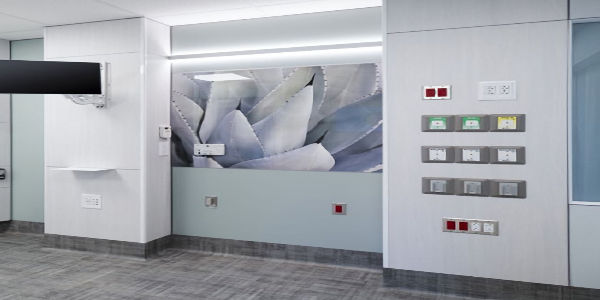
Integrated Medical Headwalls & Bedhead Services: Enhancing Functionality
Welcome to the future of construction for healthcare in the UK. Today, many hospitals and NHS places face problems all the time. They have to meet new clinical needs and keep all patients safe. A good way to fix this is to use integrated wall systems. These walls bring together important things like medical gas, power, and data in units made ahead of time. With this, the spaces can be put together faster. They also become more flexible, safer, and ready for new changes in healthcare.
When we talk about integrated solutions for architectural walls, we mean ready-made wall parts that come with important parts built in. These sections are made somewhere else, not on-site. After the parts are ready, workers bring them to the healthcare place to set them up. This makes building faster and helps stop too much noise or mess.
An integrated healthcare headwall system is a great example of bringing many tools together in one place. It is a wall panel that is already set up. You will find it by the patient’s bed. It puts medical gas outlets, electrical sockets, and data ports inside one neat unit. This way is very important for making modern and smart healthcare spaces in the UK. Now, we will see what these parts do and learn more about them.
Integrated medical headwalls make a big difference in UK hospitals, including NHS places. They bring all the tools and care that you need right to the bedside. This helps both patients and staff a lot. Instead of having many different and messy systems, everything is inside one unit. This setup makes the room feel more simple and helps work go better for everyone.
These systems help hospitals by making work simple and fast. Staff can quickly get what they need. A medical headwall that is put together well can have:
- There are medical gas outlets. You can use them for air, oxygen, and vacuum.
- The suction canister slides are there.
- There are mounting points for other important equipment.
In the end, this helps hospitals give better care in all types of healthcare settings. You can change the layout of each bed space. This means you can set it up to fit what kind of care is needed, like for general wards or for intensive care units. This lets the hospital move fast if what patients need changes, and it can do this without big building work.
Electrical, Network, and Low Voltage Integration for Modern Facilities
A real integrated solution is more than just the building. It connects all the main systems that a modern facility uses. These systems are things like electrical power, data networks, and low voltage systems. Low voltage cabling is very important for healthcare. It helps with nurse call systems, watching patients, and data transfer. These are things people use every day in healthcare, and they are needed to keep everything working together.
Integration is important for low voltage network cabling because it helps all the systems work as one. When you plan and pre-wire these systems away from the work site as a single wall unit, it gets rid of the hard parts of working on-site. This way of doing things is reliable. It also makes it much easier to upgrade or change things in the future.
This approach brings normal and emergency power electrical services together. The parts come already wired and tested before they reach the site. This helps to make sure that everything meets safety rules right from the start.
| System Type | Integration Feature | Benefit for Facility |
|---|---|---|
| Electrical | Pre-wired for normal & emergency power | Ensures reliable power & faster installation |
| Network | Integrated data ports | Provides seamless connectivity for digital systems |
| Low Voltage | Unified cabling for call systems & monitors | Improves staff communication & patient safety |
Improved Outcomes Through Integrated Approaches
Using an integrated approach in healthcare design helps improve how patients do. When you bring together different parts into one system, you make a place that is safer for all. It also becomes more effective and more comfortable for anyone getting care. This kind of careful planning helps solve many tough problems in healthcare today.
For example, the way that the walls are made in a building can have a big effect on patient privacy and on keeping illness from spreading. These are both big worries for people. A good, built-in system handles these problems from the start, not as something you add in later. We will talk about how these built-in systems make things better for both privacy and infection control below.
Enhanced Patient Privacy in Healthcare Spaces
Patient privacy is an important part of good healthcare. In the UK, NHS hospitals and clinics can feel busy. That is why it is so important to make sure people feel they have their own space. This helps patients feel better and keeps their dignity. The use of integrated systems like Segregation and Isolation Pods helps in this. These pods are made to keep the privacy of each person. They do this without stopping staff from watching over or being near their patients.
These modular solutions help keep patients’ privacy and safety better. They do this by making both physical and sound barriers. For example, single-patient rooms are now common in new hospital designs. You can set up these rooms fast using walls that are made ahead of time. These walls can have good sound-blocking materials inside. This helps cut down on noise and gives patients a quieter and more private place to get better.
The layout is part of the whole design plan. You can plan where to put doors and windows. You can also add things like media walls. By doing this, you get to control what people see. You also help make the place feel safer. This way, patients feel safe and respected the whole time they are there.
Infection Control Innovations and Go Back Protocols
Infection control is important in every healthcare place. Integrated systems help a lot with this. A good example of this is using smooth and non-porous surfaces. These surfaces do not let germs in. Architectural wall solutions can have surfaces that are easy to clean. These surfaces are tough, do not break easily, and work well with normal healthcare cleaning steps. This helps lower the chance of spreading germs in the building.
The way these systems are built helps to lower the risk of germs spreading. Prefabricated panels are used, and these have fewer joints and seams than what you see in regular building methods. This means there are not as many places for germs to stay. Because of this, it is easier to clean the area, and keeping up good hygiene is more simple. There are also sink wall modules that are built right into the walls. These give you spots for washing your hands, and they are part of the room’s setup from the start.
Also, these systems can be used in many ways. They make it easy to set up “go back” plans. If you need to change a space in UK healthcare settings to keep people apart, you can use modular walls and pods. You can set these up fast to build Segregation and Isolation Pods. Being able to do this is very important for UK healthcare teams. It helps them react quickly when there is an outbreak or when they need new ways to control infection.
Integrated Solutions for Healthcare Services
Integrated solutions that work together are great for modern healthcare services. They help make everything work better, keep patient privacy safe, and help stop the spread of infection in many places, especially in healthcare. These solutions combine integrated medical headwalls with low voltage parts, so things look good and work well at the same time. This also helps things run smoothly day to day. The need for up-to-date spaces is going up, so using these smart ways makes sure the care areas look modern and help people feel better. If you want to change your space, you can ask for a consultation and find out what solutions are just right for your building needs.
Frequently Asked Questions
What are medical headwalls and how do they enhance care?
Medical headwalls are built-in panels found next to a patient’s bed. These panels bring together important things like medical gases, power outlets, and data ports. In healthcare settings such as the NHS, headwalls help keep the space organised. They make rooms tidy and easy to move around in. This way, nurses and other staff can use what they need right away and stay safe while working.
How does integration improve infection control and patient privacy?
Integration helps with infection control in healthcare. It uses smooth, easy-to-clean surfaces and this makes it hard for germs to hide. These systems also help protect patient privacy. You can make single rooms or pods and they have good sound control. This gives patients a safe and quiet place to get better. It is good for everyone in a healthcare setting.
Why is low voltage important in architectural wall solutions?
Low voltage is important in UK healthcare because it gives power to communication and monitoring systems in buildings. These systems are part of integrated architectural wall solutions. They may include nurse call systems, patient monitors, and data networks. Bringing these systems together helps them work well and be safe. It also means the systems are reliable and help with patient care.